Why software estimates vary so widely.
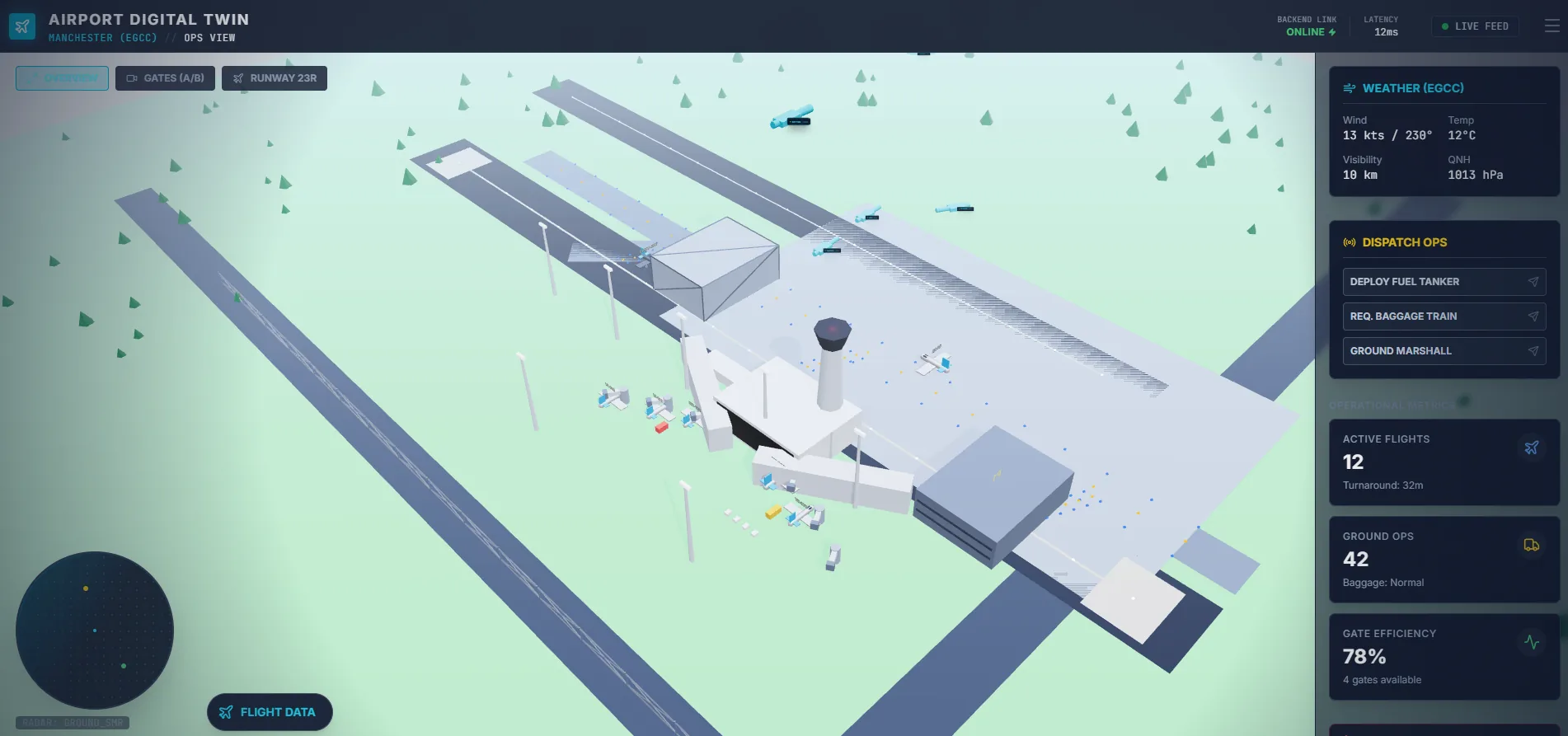
Two products can look similar in a screenshot and require very different engineering. A dashboard with representative data is not the same as a multi-tenant platform with authentication, permissions, billing, integrations, audit logs, migration, analytics, monitoring, and support.
The useful question is therefore not “how much does an app cost?” It is “what is the smallest release that proves the commercial or operational decision we need to make?”
How the stages compare.
| Engagement | Relative size | What it is for |
|---|---|---|
| Idea Validation Sprint | Smallest, by a long way | Feasibility, product definition, architecture direction, roadmap and budget guidance. |
| AI Integration Sprint | One feature’s worth of work | One focused AI feature, assistant, automation, deployment support and handover. |
| Rapid MVP Sprint | A product slice | A tightly scoped working product slice or demonstrator. |
| Prototype / proof of concept | Smaller than a Rapid MVP | Clickable or functional proof for stakeholders, pilots, workflow validation or investor demonstrations. |
| Branded MVP | A first real product | Core product flow, branded interface, working logic, selected integrations and release support. |
| Production build | Several times a branded MVP | Maintainable architecture, integrations, quality assurance, launch support and operational foundations. |
The seven biggest cost drivers.
- Number of user roles and permissions.
- Quality and availability of data.
- External integrations and their documentation.
- Real-time, 3D, GIS, simulation, or XR requirements.
- Content volume and content-production responsibility.
- Security, compliance, testing, and audit expectations.
- How much must be production-ready versus representative.
AI does not remove these product decisions. It can accelerate research, implementation, testing, and content operations, but production quality still depends on architecture, evaluation, permissions, and ownership.
How to reduce cost without building something disposable.
Reduce breadth before quality. Choose one user journey, one geography, one operational scenario, or one valuable automation. Use representative data where appropriate, but make the interaction and product logic credible. Agree explicit exclusions and what evidence the prototype must produce.
A good prototype should answer the next commercial question: should we proceed, what should production include, which risks remain, and what can stakeholders now approve?
What this means for a buyer.
This guide covers prototype and MVP budgets. If you are costing a full production AI SaaS platform (including monthly running costs, AI API spend and worked payback examples) read the AI SaaS cost guide instead.
Start with the business decision, audience, and evidence the project must produce. Simam Digital can turn that into a focused discovery, prototype, MVP, or production roadmap across AI applications, SaaS platforms, digital twins, real-time 3D, XR, and interactive systems.