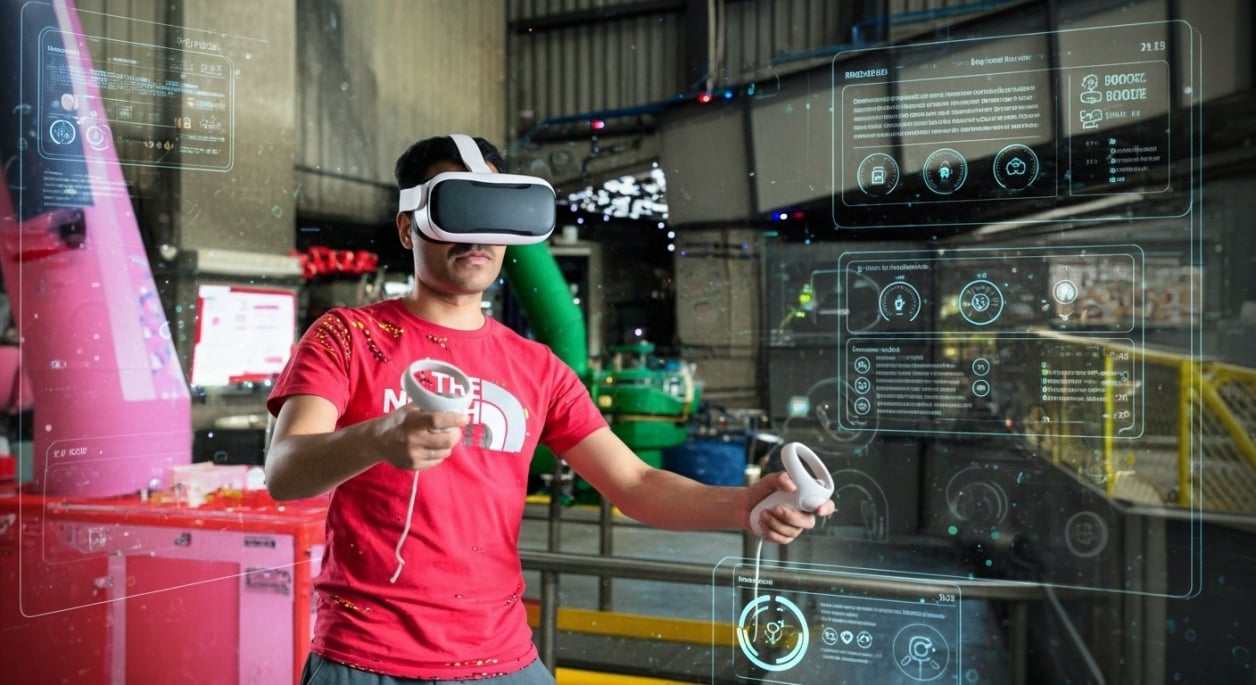
Digital Twin Technology
🏭 What is a Digital Twin? A Complete Guide for Business Leaders
Understanding the technology that's revolutionizing manufacturing, healthcare, and smart cities
Digital Twin Technology
Understanding the technology that's revolutionizing manufacturing, healthcare, and smart cities
A digital twin is a virtual replica of a physical
object, process, or system that's continuously updated with real-time data from sensors, IoT
devices, and other sources. It's not just a 3D model — it's a living, breathing digital
representation that mirrors its physical counterpart.
Key
Characteristics:
✅ Real-time data synchronization
✅ Bidirectional
data flow (physical ↔ digital)
✅ Predictive analytics and simulation
✅ Historical
data tracking and analysis
✅ What-if scenario testing
The Three Types of
Digital Twins:
🔧 Component Twins: Individual parts or
components (engine, pump, sensor)
🏗️ Asset Twins: Complete systems
(aircraft, building, production line)
🌐 Process Twins: Entire workflows
or operations (supply chain, manufacturing process)
Definitions only go so far. This is a working twin, so you can see the difference between a connected model and a 3D visualisation rather than take our word for it.
Digital twins combine several technologies to create
an accurate, dynamic representation:
1. Data Collection
• IoT sensors
capture real-time data (temperature, pressure, vibration, etc.)
• Historical data provides
context and patterns
• Manual inputs and inspections add qualitative data
2.
3D Modeling & Visualization
• CAD models or 3D scans create the visual
representation
• GIS data for spatial context
• Real-time rendering for interactive
exploration
3. Data Integration & Processing
• Cloud platforms
aggregate data from multiple sources
• APIs connect to enterprise systems (ERP, MES,
SCADA)
• Data normalization and cleaning
4. Analytics & AI
•
Machine learning identifies patterns and anomalies
• Predictive models forecast future
states
• Optimization algorithms suggest improvements
5. Visualization &
Interaction
• Dashboards display key metrics
• 3D interfaces for immersive
exploration
• AR/VR for on-site visualization
• Alerts and notifications for critical
events
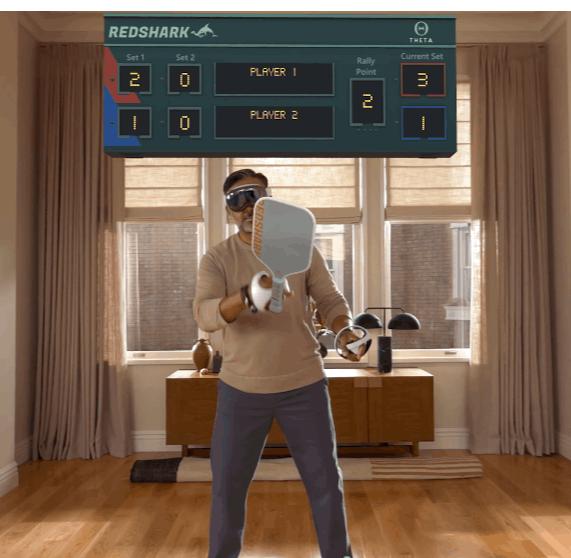
Real-time digital twin monitoring
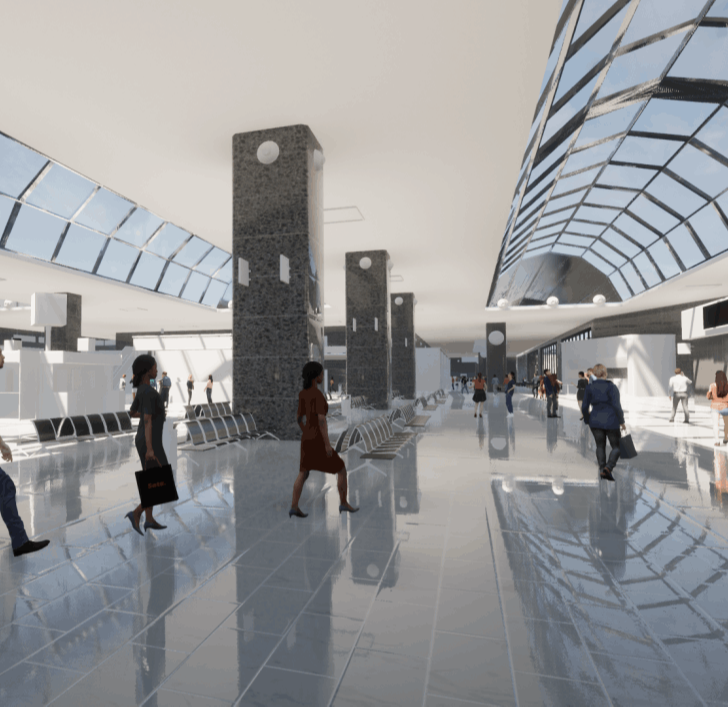
Immersive 3D digital twin
🏭 Manufacturing
• Predictive
maintenance to prevent downtime
• Production optimization and bottleneck identification
•
Quality control and defect prediction
• Virtual commissioning of new lines
🏥
Healthcare
• Patient-specific digital twins for treatment planning
• Hospital
operations optimization
• Medical device performance monitoring
• Drug development and
testing
🏙️ Smart Cities
• Traffic flow optimization
• Energy grid
management
• Building performance monitoring
• Emergency response
planning
✈️ Aviation & Aerospace
• Aircraft health monitoring
•
Flight simulation and training
• Supply chain optimization
• Maintenance
scheduling
⚡ Energy & Utilities
• Power plant optimization
• Wind
farm performance
• Grid stability and load balancing
• Renewable energy
forecasting
🏗️ Construction & Real Estate
• Building lifecycle
management
• Energy efficiency optimization
• Space utilization analysis
• Preventive
maintenance
Companies implementing digital twins report
significant measurable benefits:
Cost Reduction
• 20-50% reduction in
maintenance costs
• 10-30% decrease in downtime
• 15-25% improvement in operational
efficiency
• Reduced need for physical prototypes
Performance
Improvement
• 30-40% faster time-to-market
• 15-20% increase in asset
lifespan
• 25-35% improvement in product quality
• Better resource
utilization
Risk Mitigation
• Predict failures before they occur
•
Test changes in virtual environment
• Reduce safety incidents
• Improve compliance and
auditing
Innovation Acceleration
• Rapid prototyping and testing
•
Data-driven decision making
• Continuous improvement cycles
• New business model
opportunities
General Electric (GE)
Created
digital twins of jet engines and wind turbines, reducing unplanned downtime by 20% and saving
millions in maintenance costs.
Siemens
Uses digital twins to optimize
manufacturing processes, reducing time-to-market by 30% and improving product quality by
25%.
Tesla
Every Tesla vehicle has a digital twin that's continuously
updated, enabling over-the-air updates and predictive
maintenance.
Singapore
Built Virtual Singapore, a digital twin of the
entire city-state used for urban planning, disaster response, and sustainability
initiatives.
NASA
Pioneered digital twin technology for spacecraft,
using virtual replicas to monitor and troubleshoot missions in real-time.
Ready to implement digital twin technology? Here's a
practical roadmap:
Step 1: Define Your Use Case
• Identify specific
business problem to solve
• Set measurable goals and KPIs
• Determine scope (component,
asset, or process)
Step 2: Assess Data Readiness
• Inventory existing
sensors and data sources
• Identify data gaps and requirements
• Plan IoT infrastructure
upgrades if needed
Step 3: Choose Technology Stack
• Cloud platform
(Azure, AWS, Google Cloud)
• IoT connectivity (MQTT, OPC UA)
• 3D visualization (Unity,
Unreal Engine, WebGL)
• Analytics and AI tools
Step 4: Build Proof of
Concept
• Start small with limited scope
• Validate data accuracy and
usefulness
• Demonstrate ROI to stakeholders
Step 5: Scale and
Integrate
• Expand to additional assets or processes
• Integrate with
enterprise systems
• Train teams on usage and interpretation
Step 6: Optimize
and Iterate
• Continuously refine models and algorithms
• Add new data
sources and capabilities
• Measure and report on business impact
🤝 How Simam Digital Can Help
Here's how we help you build your digital
twin:
🏗️ 3D GIS terrain generation and visualization
📊 Real-time data
integration from IoT sensors
🎯 Custom dashboards and analytics
🥽 AR/VR
interfaces for immersive exploration
🤖 AI-powered predictive maintenance
models
☁️ Cloud-based scalable architecture
🔄 Integration with existing
enterprise systems
📩 Ready to explore digital twin technology for your
business?
Let's discuss your use case and build a proof of concept together.
View our case studies for
more: 📋
Contact us today
or email us at: sales@simamdigital.com
Senior XR Engineer & Founder, Simam
Digital
https://www.linkedin.com/in/junaid-malik/
