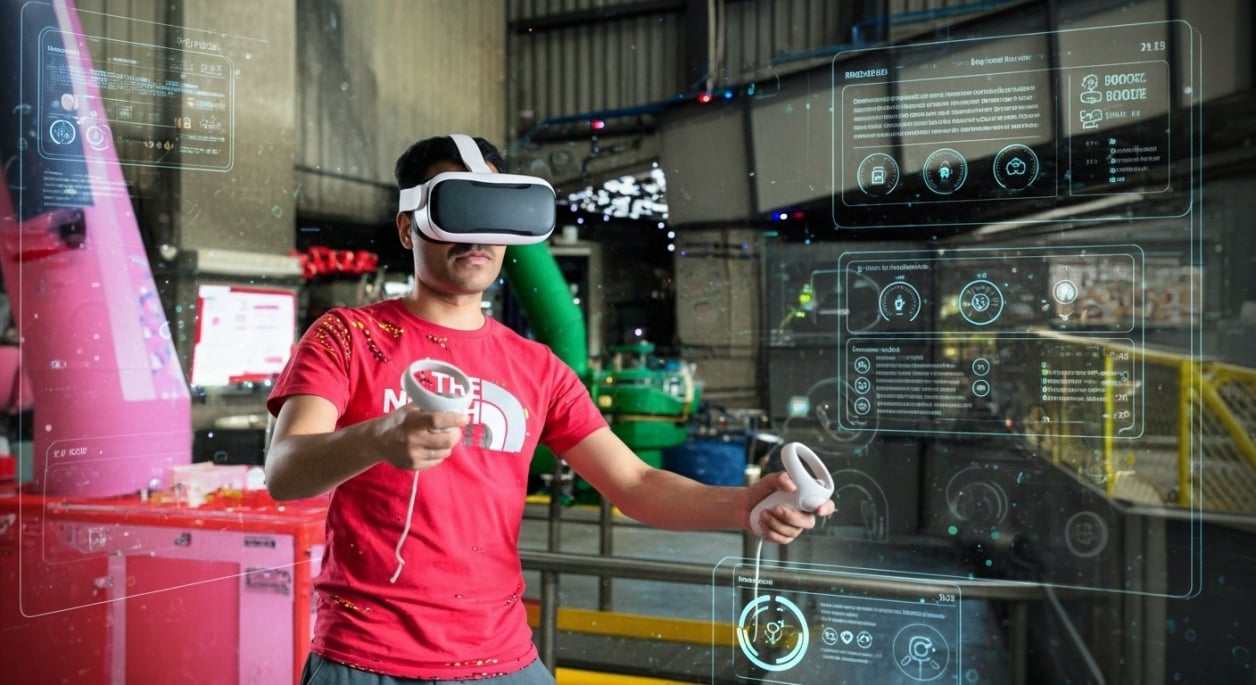
AR vs VR Technology Comparison
🤔 AR vs VR: Which Technology is Right for Your Business?
A comprehensive guide to choosing between augmented reality and virtual reality for your next project
AR vs VR Technology Comparison
A comprehensive guide to choosing between augmented reality and virtual reality for your next project
Augmented Reality overlays digital content onto the
real world. Using a smartphone, tablet, or AR glasses, users can see virtual objects,
information, or animations superimposed on their physical environment.
Key
Characteristics:
✅ Enhances the real world with digital elements
✅
Users remain aware of their physical surroundings
✅ Accessible via smartphones, tablets,
or AR glasses
✅ No need for dedicated VR headsets
✅ Ideal for real-time
information overlay
Common AR Examples:
📱 Pokémon GO
(gaming)
🛋️ IKEA Place (furniture visualization)
🚗 AR navigation in
cars
🏭 Maintenance instructions overlaid on machinery
👓 Smart glasses for
warehouse picking
Virtual Reality creates a completely immersive digital
environment that replaces the real world. Users wear VR headsets that block out their physical
surroundings and transport them into a 3D virtual space.
Key
Characteristics:
✅ Fully immersive digital environment
✅ Blocks out
the real world completely
✅ Requires VR headset (Meta Quest, HTC Vive, etc.)
✅
360-degree interaction and movement
✅ Ideal for simulation and
training
Common VR Examples:
🎮 VR gaming experiences
🏗️
Construction site walkthroughs
✈️ Flight simulator training
🏥 Surgical training
simulations
🎓 Virtual classrooms and conferences
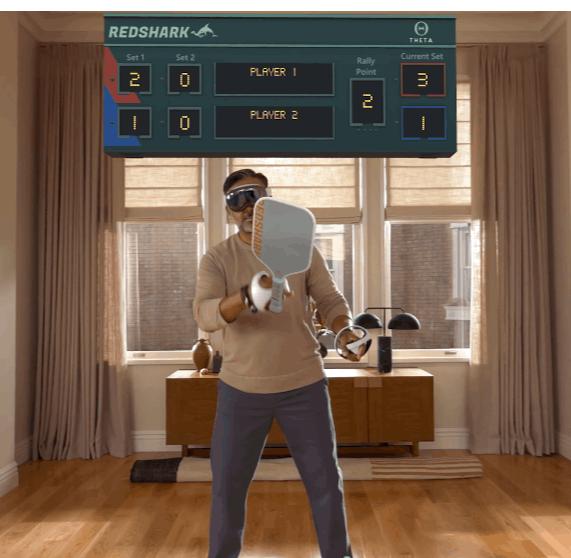
AR: Digital overlays on reality
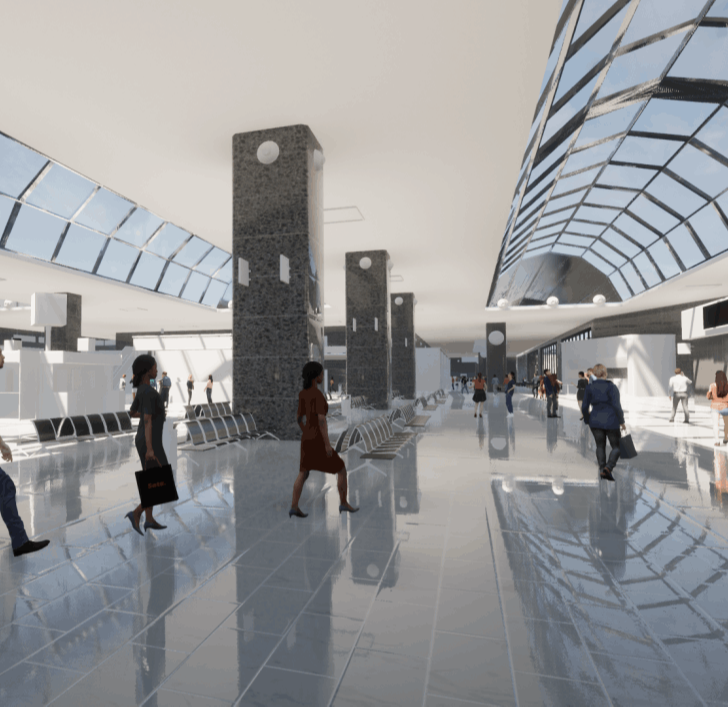
VR: Fully immersive digital world
Environment:
• AR: Enhances real
world with digital overlays
• VR: Creates entirely virtual
environment
Hardware Required:
• AR: Smartphone, tablet, or AR
glasses
• VR: Dedicated VR headset required
User Awareness:
• AR:
User remains aware of surroundings
• VR: User is fully immersed, isolated from real
world
Mobility:
• AR: Highly mobile, hands-free options
available
• VR: Limited mobility, typically stationary or
room-scale
Cost:
• AR: Lower barrier to entry (use existing
devices)
• VR: Higher initial investment for headsets
Use Case
Focus:
• AR: Real-time information, guidance, visualization
• VR: Training,
simulation, immersive experiences
Choose Augmented Reality when you need
to:
✅ Enhance Real-World Tasks
AR excels when workers need hands-free
access to information while performing physical tasks — like maintenance technicians viewing
repair instructions overlaid on equipment.
✅ Visualize Products in
Context
Perfect for retail and e-commerce. Let customers see how furniture looks
in their home, how paint colors appear on their walls, or how products fit in their
space.
✅ Provide Real-Time Guidance
AR is ideal for step-by-step
instructions, navigation, or quality control where users need to stay connected to their
physical environment.
✅ Enable Remote Assistance
Experts can guide
field workers by seeing what they see and annotating their view in
real-time.
Best Industries for AR:
• Manufacturing & Maintenance
•
Retail & E-commerce
• Healthcare (surgical guidance)
• Logistics & Warehousing
• Field
Service
Choose Virtual Reality when you need
to:
✅ Create Safe Training Environments
VR is unmatched for high-risk
training scenarios — emergency response, hazardous equipment operation, or dangerous procedures
— without real-world consequences.
✅ Simulate Complex
Scenarios
Perfect for training that requires realistic, repeatable scenarios
like flight simulation, surgical procedures, or crisis management.
✅ Enable
Immersive Collaboration
Virtual meetings, design reviews, and collaborative
workspaces where teams can interact in a shared 3D environment regardless of
location.
✅ Showcase Unbuilt Environments
Ideal for architecture,
real estate, and construction — walk through buildings before they're built or visualize
large-scale projects.
Best Industries for VR:
• Training &
Education
• Healthcare (surgical training)
• Construction & Architecture
• Aviation &
Defense
• Corporate Learning
The line between AR and VR is blurring with the
emergence of Mixed Reality (MR), which combines elements of both. Devices like the Meta
Quest 3 and upcoming Apple Vision Pro offer passthrough AR
capabilities alongside full VR immersion.
Mixed Reality
Benefits:
🔄 Switch between AR and VR modes seamlessly
🌐 Anchor
virtual objects in real space
👥 Collaborate with real and virtual participants
🎯
Best of both worlds for complex workflows
This convergence means you may not have to
choose — future XR solutions will adapt to your needs, offering AR guidance when needed and VR
immersion when appropriate.
🤝 How Simam Digital Can Help
Here's how we support your XR journey:
🔧
Technology consultation to determine AR vs VR fit
📱 Custom AR development for iOS,
Android, and AR glasses
🥽 Immersive VR experiences for Quest, PCVR, and enterprise
headsets
🌐 Mixed Reality solutions that combine AR and VR
🎯 Proof-of-concept
development to validate your use case
🛠️ Full-stack development from concept to
deployment
📩 Not sure which technology is right for you?
Let's discuss your goals and
find the perfect XR solution for your business.
View our case studies for more: 📋
Contact us today
or email us at: sales@simamdigital.com
Senior XR Engineer & Founder, Simam
Digital
https://www.linkedin.com/in/junaid-malik/
